Why Compassionate Communities Matter Now
At the heart of Paul’s work is a simple but profound conviction:
every human being is trying to figure life out. No matter how confident or defensive someone appears, they carry a story shaped by experiences, relationships, and longings.
When communities fail to recognize this, dysfunction grows. Alienation replaces belonging. Fear replaces trust. But when compassion becomes a shared value, communities can become places where people grow rather than withdraw.
Building compassionate communities is not about avoiding hard conversations. It’s about creating environments where people can engage differences without losing their humanity—or each other.
The Foundation: What We Believe About People
Paul’s understanding of compassionate communities is deeply shaped by his work on compassionate listening. At its core are several assumptions about human nature that quietly guide how we treat one another.
People Are Valuable and Complex
Every person carries inherent worth. At the same time, no one is simple. Our beliefs, reactions, and behaviors are formed over time through family, culture, pain, and hope. Compassion begins when we resist the urge to reduce people to labels.
People Need Love, Purpose, and Belonging
Human beings are not meant to live in isolation. We flourish when we are loved, when we have a purpose beyond ourselves, and when we belong to something meaningful. Compassionate communities take these needs seriously rather than dismissing them as weaknesses.
People Can Change—But Not by Force
Transformation rarely happens because someone is pressured or shamed. Change becomes possible when people take responsibility for their growth and discover the need for change themselves, often through trusted mentor-coaching relationships.
These assumptions quietly shape cultures—either toward control and fear, or toward trust and growth.
The Purpose of Compassionate Communities
Paul defines the purpose of compassionate communities this way:
to help others care for others in mutually beneficial ways that they need to be cared for.
This is a practical expression of the Golden Rule and the Great Commandment—to love others as we ourselves long to be loved. Compassionate communities don’t impose care; they seek to understand what care truly looks like for each person.
The Five Cs of Compassionate Communities
To move compassion from an ideal into everyday practice, Paul outlines five essential elements—the “Five Cs”—that shape healthy, life-giving communities.
Compassion
Compassion begins with attunement. It is the ability to notice need and respond with courage rather than indifference. Compassion fuels action, not avoidance.
Culture
Every community has a culture, whether intentional or accidental. Culture shapes how people speak, listen, disagree, and belong. Compassionate cultures reinforce dignity, curiosity, and grace through everyday behaviors.
Communication
Healthy communities prioritize understanding, not just information exchange. Communication becomes less about winning arguments and more about truly hearing one another.
Collaboration
Collaboration grows from trust and shared vision. It cannot be forced. Compassionate communities create the conditions where people choose to work together because they feel seen, valued, and aligned.
Community
True community offers shared identity and meaning. It provides a lens through which people understand themselves and the world—one shaped by belonging rather than exclusion.
What Compassionate Communities Make Possible
Building compassionate communities takes time, patience, leadership, and sacrifice. There are no shortcuts. But the outcome is worth the investment.
People experience the well-being that comes from belonging to a healthy community. And more than that, they carry those practices outward—into families, friendships, churches, organizations, and neighborhoods—multiplying compassion wherever they go.
This is how cultural change happens: not through force, but through formation.
Going Deeper
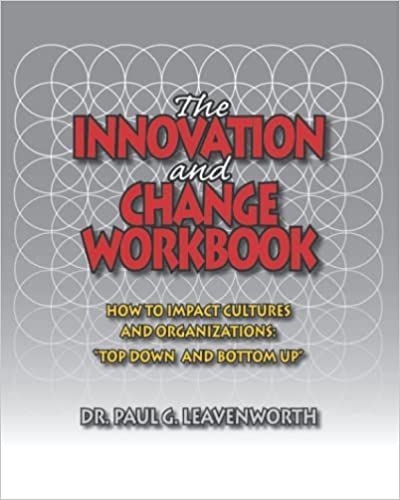
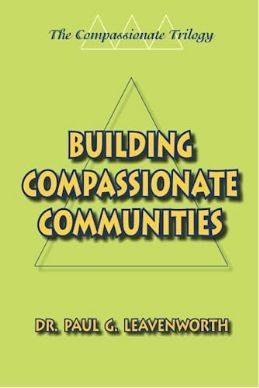
Building Compassionate Communities was written as a stand-alone resource, accessible to anyone longing for healthier ways of living together. For those who want to explore these ideas more deeply and apply them in practical settings, Paul has also developed The Innovation and Change Workbook, designed for discovery learning and personal growth.
In a fractured world, compassionate communities are not a luxury. They are a necessity—and a hopeful path forward.