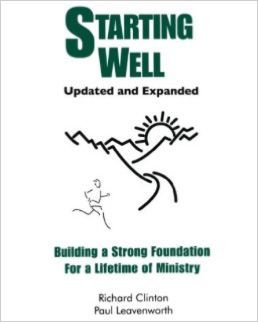
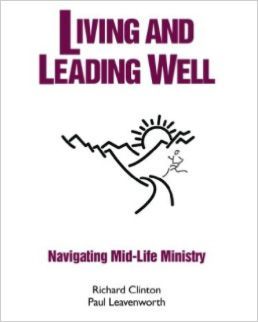
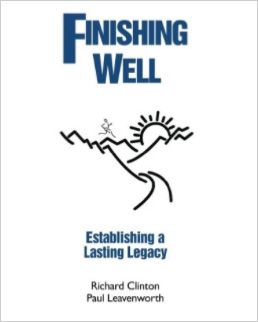
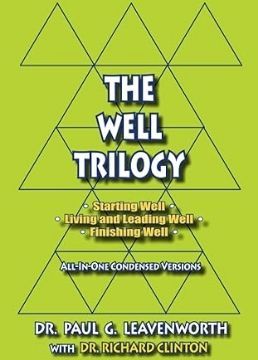
What Is Leadership Emergence Theory?
Leadership Emergence Theory is a developmental framework that explains how leaders grow and mature across the course of their lives. The model outlines six distinct stages that build upon one another over time. Each stage introduces new opportunities for growth, deeper self-awareness, increased leadership capacity, and greater clarity of purpose.
Unlike leadership models focused only on competency or productivity, LET emphasizes both character and capability. Growth happens not only through education or achievement, but also through the way individuals respond to life circumstances, relationships, setbacks, responsibilities, and opportunities.
Leadership Development Is a Process, Not an Event
One of the most important ideas within Leadership Emergence Theory is that development happens gradually. Leadership maturity is formed over decades, not moments. The process is often invisible while it is happening, which can make seasons of uncertainty or struggle feel frustrating. Yet many of those experiences become foundational later in life.
This perspective can bring encouragement to people who feel behind, uncertain about their direction, or frustrated by slow progress. Growth is often happening long before its results become visible.
Character and Competency Grow Together
LET emphasizes that effective leadership requires more than talent or ambition. Sustainable influence is built through both internal maturity and external effectiveness. Skills matter, but so do integrity, humility, resilience, wisdom, and self-awareness.
Many leadership failures happen not because of a lack of gifting, but because personal maturity did not keep pace with opportunity or influence.
The Six Stages of Leadership Emergence Theory
The six stages of Leadership Emergence Theory provide a roadmap for understanding how people grow over time. While individuals may experience these stages differently, each one contributes something essential to long-term development and purpose.
Stage 1 — Sovereign Foundations
The first stage focuses on foundational experiences that shape a person early in life. Family dynamics, culture, relationships, education, hardships, opportunities, and historical context all contribute to development during this phase.
At the time, these experiences may feel random or disconnected. Looking back later, however, many people realize those early influences prepared them in meaningful ways for future responsibilities and relationships.
Stage 2 — Inner-Life Growth
The second stage centers on internal formation and personal growth. This phase involves developing integrity, self-awareness, emotional maturity, and a deeper understanding of values and purpose.
People in this stage often begin to recognize the importance of internal health alongside external achievement. Rather than simply asking, “What can I accomplish?” they begin asking, “Who am I becoming?”
Stage 3 — Ministry and Leadership Maturing
In this stage, people begin discovering and developing their leadership abilities more intentionally. They gain practical experience, learn through responsibility, navigate conflict, and begin identifying their strengths and giftedness.
This is often the stage where leadership becomes visible to others. It may involve managing teams, leading initiatives, mentoring people, or growing in professional influence. It is also a season where failure, feedback, and difficult relationships become important teachers.
Stage 4 — Life Maturing
Life maturing involves gaining clarity about personal calling, values, priorities, and philosophy of leadership. During this stage, people begin integrating their experiences into a more cohesive understanding of how they are uniquely designed to contribute.
Instead of simply reacting to opportunities, leaders become more intentional about where they invest their energy. There is often a growing sense of alignment between identity, strengths, purpose, and leadership style.
Stage 5 — Convergence
Convergence is the stage where a person’s experience, gifting, character, and calling begin working together at a high level of effectiveness. This is often considered the most impactful and fulfilling stage of leadership development.
In convergence, people frequently experience greater clarity, confidence, and influence. They are no longer trying to become someone else. Instead, they lead out of a deep understanding of who they are, what they do best, and where they can contribute most effectively.
This stage often reflects the healthiest form of focused living because energy, purpose, and ability are working together rather than competing against each other.
Stage 6 — Afterglow
The final stage is sometimes called afterglow. This phase is characterized by legacy, mentorship, wisdom, and long-term influence. Rather than building something for themselves, leaders in this stage often focus on investing in others and helping the next generation thrive.
While relatively few people fully reach this stage, those who do often leave a lasting impact through relationships, guidance, and the transfer of wisdom accumulated over decades.
Why Leadership Emergence Theory Still Matters Today
Modern culture often celebrates quick success, rapid visibility, and immediate results. Leadership Emergence Theory offers a much healthier and more realistic perspective. It reminds us that meaningful growth takes time.
This framework also helps people reinterpret difficult seasons. Challenges, delays, disappointments, and unexpected detours may not be interruptions to growth. In many cases, they are the very environments where growth happens most deeply.
For organizations, LET provides a powerful lens for leadership development. Instead of focusing only on performance metrics, organizations can learn to invest in long-term formation, mentoring, and sustainable growth.
Moving Forward With Greater Clarity
Understanding Leadership Emergence Theory can help people recognize patterns in their own journey. It provides language for experiences many leaders intuitively feel but struggle to describe.
Perhaps most importantly, LET encourages patience. Leadership development is rarely linear, predictable, or fast. But growth is happening, even in seasons where progress feels difficult to measure.
The goal is not simply achievement. The deeper goal is becoming the kind of person capable of carrying influence, responsibility, and purpose with wisdom and maturity over the course of a lifetime.