




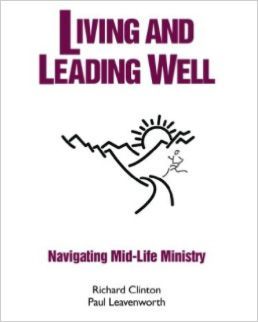
Living and Leading Well 2.0 is a free downloadable companion to Living and Leading Well: Navigating Mid-Life Ministry. Built around the discovery-learning process—where the Holy Spirit teaches, Scripture guides, and real life becomes the classroom—this tool helps you take ownership of your growth in a meaningful, practical way. It includes space to work through the Evaluation and Application questions from each chapter, plus discussion prompts for small groups. As you return to and update your responses over time, Living and Leading Well 2.0 helps you clarify your purpose, role, and contribution so you can stay (or get) healthy in life and leadership as you move toward finishing well.

By Dr. Paul G. Leavenworth, the Convergence group
Turning Hearts Across Generations: Leadership, Compassion, and the Spirit of Elijah
Leadership transitions are rarely just about strategy or timing. More often, they are about relationships—specifically, whether trust, compassion, and blessing flow from one generation to the next. History, both biblical and organizational, shows us what happens when they don’t. The ancient promise connected to the “spirit of Elijah” offers a surprisingly relevant framework for navigating leadership transitions well today.
Why Leadership Transitions So Often Go Wrong
Passing leadership from one generation to another is one of the most vulnerable moments in any organization. Older and younger leaders frequently bring different worldviews, priorities, and methods to the table. When these differences aren’t handled with humility and compassion, they can quickly turn into mistrust.
Younger leaders may feel controlled or dismissed. Older leaders may feel ignored or disrespected. The result is often frustration, stalled momentum, and fractured relationships—outcomes that appear again and again in both biblical narratives and modern organizations.
A Pattern We Can’t Ignore
Scripture offers a striking contrast between leadership transitions that flourished and those that failed. When transitions were handled intentionally—where authority was shared, trust was extended, and responsibility was gradually released—the results were lasting and healthy. When they were mishandled, the consequences were often disastrous.
Successful transitions included:
- Moses to Joshua
- Elijah to Elisha
- Jesus to his disciples
- Paul to leaders like Timothy and Titus
Failed transitions, by contrast, were marked by rivalry, fear, and insecurity. These stories read less like leadership manuals and more like cautionary tales filled with betrayal, power struggles, and collapse.
Understanding the Spirit of Elijah
The phrase “spirit of Elijah” points to more than power or bold action. Elijah’s life certainly included dramatic moments, but his lasting impact came from something deeper: the way he prepared and blessed the next generation.
Elijah did not cling to his position. Instead, he intentionally invited Elisha into his life, his work, and eventually his authority. When Elijah was taken away, Elisha did not simply inherit a role—he inherited confidence, trust, and a sense of calling.
This is the heart of the promise connected to the turning of hearts: older leaders moving toward younger leaders with compassion, and younger leaders responding with honor and readiness.
Compassion Is the Missing Ingredient
One of the most overlooked aspects of leadership is the power of compassion. Compassion does not weaken authority—it strengthens it. When experienced leaders choose to bless rather than control, they remove the unspoken pressure for younger leaders to prove themselves.
This shift breaks a destructive cycle:
- The need to be right
- The fear of being replaced
- The impulse to protect power
Instead, compassion creates space for learning, growth, and shared ownership. It allows emerging leaders to lead from grace rather than fear.
What This Means for Leaders Today
Healthy leadership transitions don’t happen accidentally. They require intentionality, humility, and trust. The model seen in Elijah’s relationship with Elisha challenges leaders to ask hard questions:
- Am I creating space for others to grow?
- Am I releasing responsibility—or merely delegating tasks?
- Am I blessing the next generation, or testing them?
When leaders choose compassion over control, they create continuity rather than conflict. They ensure that what they’ve built doesn’t end with them, but carries forward with strength and integrity.
A Legacy That Lasts
Elijah’s story reminds us that leadership is not ultimately about personal achievement. It is about what—and who—we leave behind. The true measure of leadership is not how long we hold influence, but how well we pass it on.
When hearts turn toward one another across generations, leadership becomes a shared journey rather than a contested space. That is the enduring legacy of the spirit of Elijah—and it remains just as relevant today.
More RESOURCES ABOUT THIS TOPIC
Courses & Trainings
LIVING & LEADING WELL COURSE
Live and lead well in the middle season of ministry so that you can someday finish well.
Books & Workbooks
Free Downloads
The Convergence Group helps people (organizations and communities) to become better versions of themselves and more effective leaders in their spheres of influence.
+ + +
EXPLORE TOPICS: